
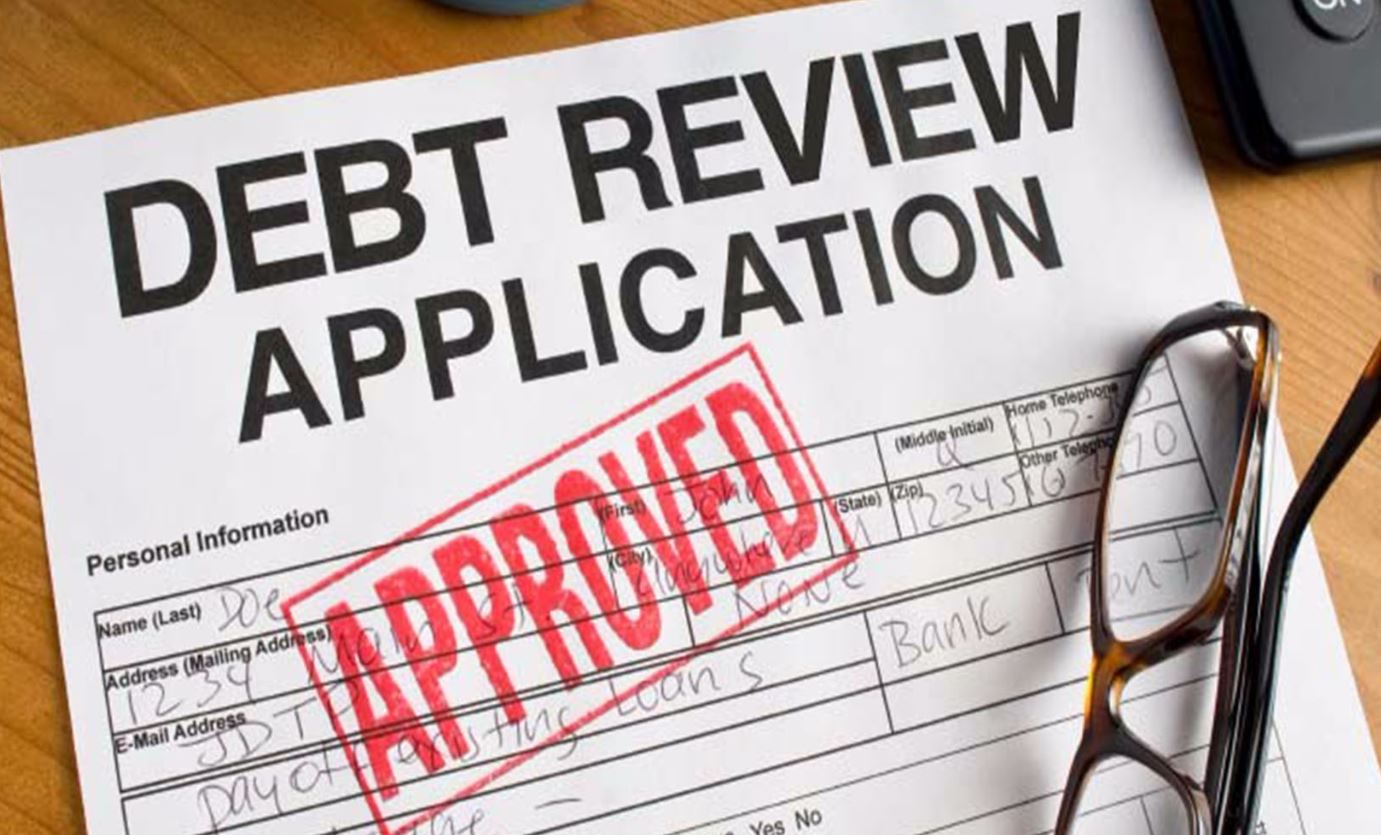
You qualify for debt review if you are a South African earning a regular income and you are over-indebted, meaning, in the words of the National Credit Act, you are or soon will be unable to meet all your debt repayments after covering reasonable living expenses. If your debts are outpacing your income and you are borrowing to cover borrowing, those are the warning signs.
The question behind the question
Most people who end up Googling “do I qualify for debt review” already suspect the answer. They are not really asking about eligibility rules. They are asking a more uncomfortable question: am I actually in trouble, or am I overreacting?
It is worth answering honestly, because over-indebtedness is something people tend to recognise late. The warning signs build gradually, each one easy to explain away, until the situation is harder to fix than it needed to be. So this page does two things: it explains the formal test for qualifying, and it lays out the practical signs, so you can tell where you really stand.
The legal definition of over-indebted
Debt review exists for over-indebted consumers, and “over-indebted” has a specific legal meaning. Under Section 79 of the National Credit Act, you are over-indebted when the available information shows that you are, or will soon be, unable to satisfy all your obligations under all your credit agreements in a timely manner, after taking your reasonable living expenses into account.
Two things in that definition matter:
- It includes the future, not just the present. The words “or will be unable” mean you do not have to have already defaulted. If you can see that you are heading for it, you may already qualify.
- It is judged after reasonable living expenses. The test is not whether you can technically scrape the payments together by skipping food or rent. It is whether you can meet your debts while still covering the genuine cost of living.
The basic qualifying requirements
Beyond the over-indebtedness test, the practical requirements to apply for debt review are straightforward:
| Requirement | What it means |
|---|---|
| South African | You apply as a consumer under the National Credit Act |
| Regular income | You need to earn an income, so a restructured plan is possible |
| Over-indebted | Your debts exceed what you can afford after living costs (Section 79) |
| NCA-regulated debt | The debt is consumer credit covered by the National Credit Act |
The income requirement sometimes surprises people. Debt review works by restructuring your debts into an affordable monthly payment, so there has to be an income for that payment to come from. Debt review is a tool for the over-indebted who can still pay something realistic, not for those with no income at all, who may need to look at different options.
The practical signs you are over-indebted
The legal test is the formal answer. But in daily life, over-indebtedness shows up as a set of recognisable habits and feelings. The more of these that sound like you, the more likely it is that you meet the test.
Money signs:
- You are using credit to pay for essentials like food, fuel or other accounts.
- You are taking new loans or credit to cover existing debt repayments.
- You only manage the minimum payments on your accounts, and the balances never really drop.
- Your debt repayments swallow most of your income before you have covered living costs.
- You have no buffer, so any unexpected expense means more borrowing.
Behaviour and pressure signs:
- Creditors and collectors are calling, and you have started avoiding the phone.
- You are juggling which account to pay this month and which to let slide.
- You have received a letter of demand or are worried about your car or home.
- The stress of it is affecting your sleep, your focus, or your relationships.
If a handful of these are true, you are very likely over-indebted in the way the law means, even if you have not missed a payment yet. The “borrowing to cover borrowing” sign in particular is a strong indicator, because it is the clearest evidence that the maths no longer works.
Most people in this position are not reckless
It is worth saying plainly, because shame keeps people from acting: being over-indebted does not mean you have been irresponsible. As Vanessa Soma, the NCR-registered debt counsellor at VS Debt Counseling Specialists, puts it, most clients are not reckless spenders, they are people whose income simply could not keep pace with rising costs. Interest rate rises, a job change, a medical event, or just years of prices climbing faster than pay can put an ordinary, careful household under water.
The point of recognising the signs is not to judge yourself. It is to act early, while debt review is at its most effective.
How to check where you stand
You do not have to guess. There are two quick first steps you can take before committing to anything:
- Try the assessment tool. Our debt review assessment tool asks a few questions about your income and debt to give you a preliminary indication of whether debt review could help. It is not a formal assessment, it is a starting point to see if it is worth a proper conversation.
- Estimate the relief. Our debt repayment calculator lets you see roughly how a restructured monthly payment might compare to what you are paying now. The results are estimates, not financial advice, but they make the idea concrete.
Neither commits you to anything. They simply help you replace a vague worry with a clearer picture.
Why an early, proper assessment matters
Only a registered debt counsellor can formally assess whether you are over-indebted and whether debt review is right for you, and a good one will tell you honestly if it is not. Vanessa Soma is registered with the National Credit Regulator under registration number NCRDC4498 and is a member of the Debt Counsellors Association of South Africa.
A proper assessment looks at your full picture, income, expenses, and all your debts, and tells you where you actually stand against the Section 79 test. The earlier you do it, the more options you have, because debt review is far more powerful as prevention than as a last-minute rescue. You can read more on our services and benefits of debt review pages.
The bottom line
You qualify for debt review if you are a South African earning an income and you are over-indebted, which the National Credit Act defines as being unable, now or soon, to meet all your debt repayments after reasonable living expenses. The everyday signs are clear once you look: borrowing to repay borrowing, using credit for essentials, dodging creditor calls, and never seeing balances fall. If that sounds like your situation, you are probably closer to the line than you think, and the best move is an early, honest assessment rather than waiting for it to get worse.
Not sure if you qualify? Start with our free assessment tool, then book an obligation-free consultation with VS Debt Counseling Specialists in East London for a proper, honest answer.